Yesterday, I was walking through the community and just kept noticing how different everything felt. Normally, the edges of the paths are thick with grass and weeds (usually scraping our legs with little pokey thorns). This time, those paths were dusty and charred on each side from constant bush fires.
The last few months, our area has been going through the beginning stages of a pretty serious draught. Typically the summer is the rainiest time of the year, but instead of the big rains, we have only had two or three rainy days in the last 3 months. We’re thankful that those few days have filled our water tanks a couple times, but one rain here and there isn’t enough to sustain full gardens that feed families for months at a time. Our friends’ are all getting hit pretty hard with a shortage of food…and it only looks to be the beginning.
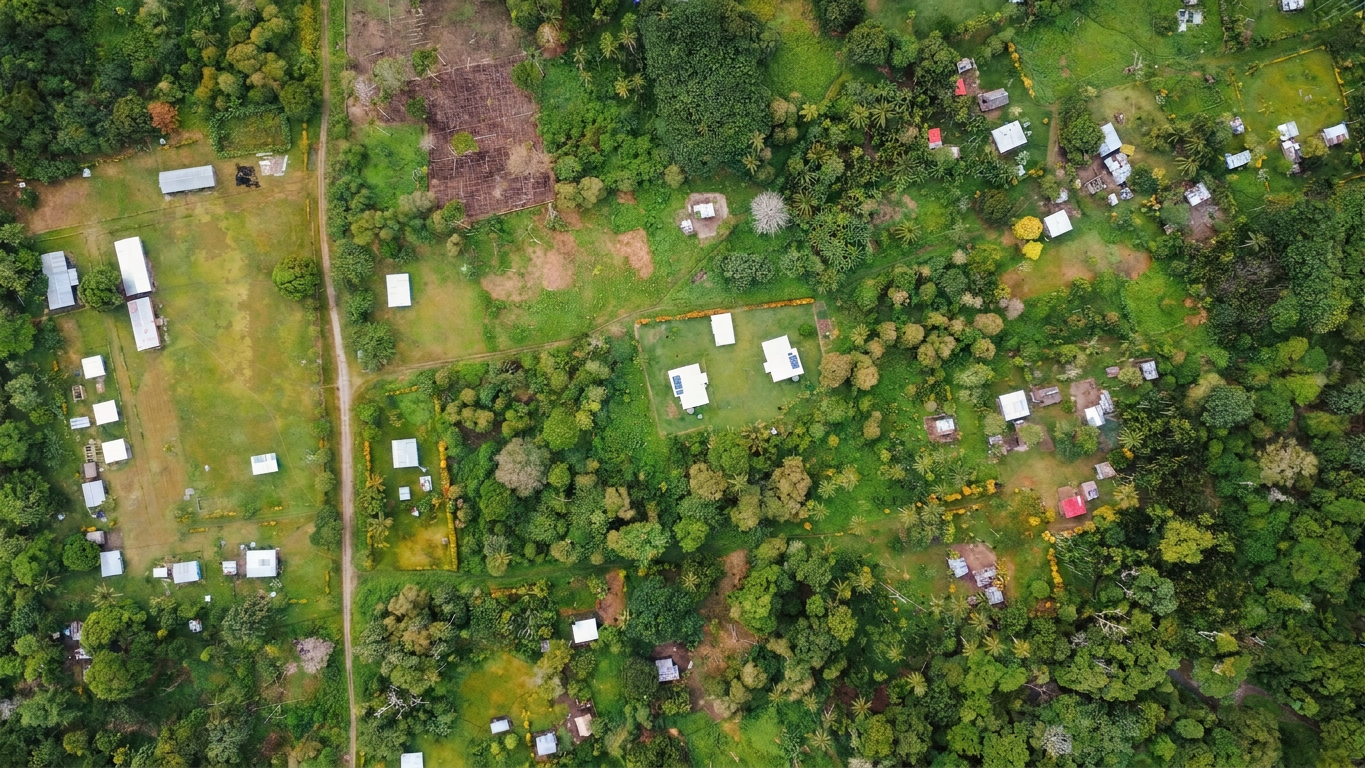
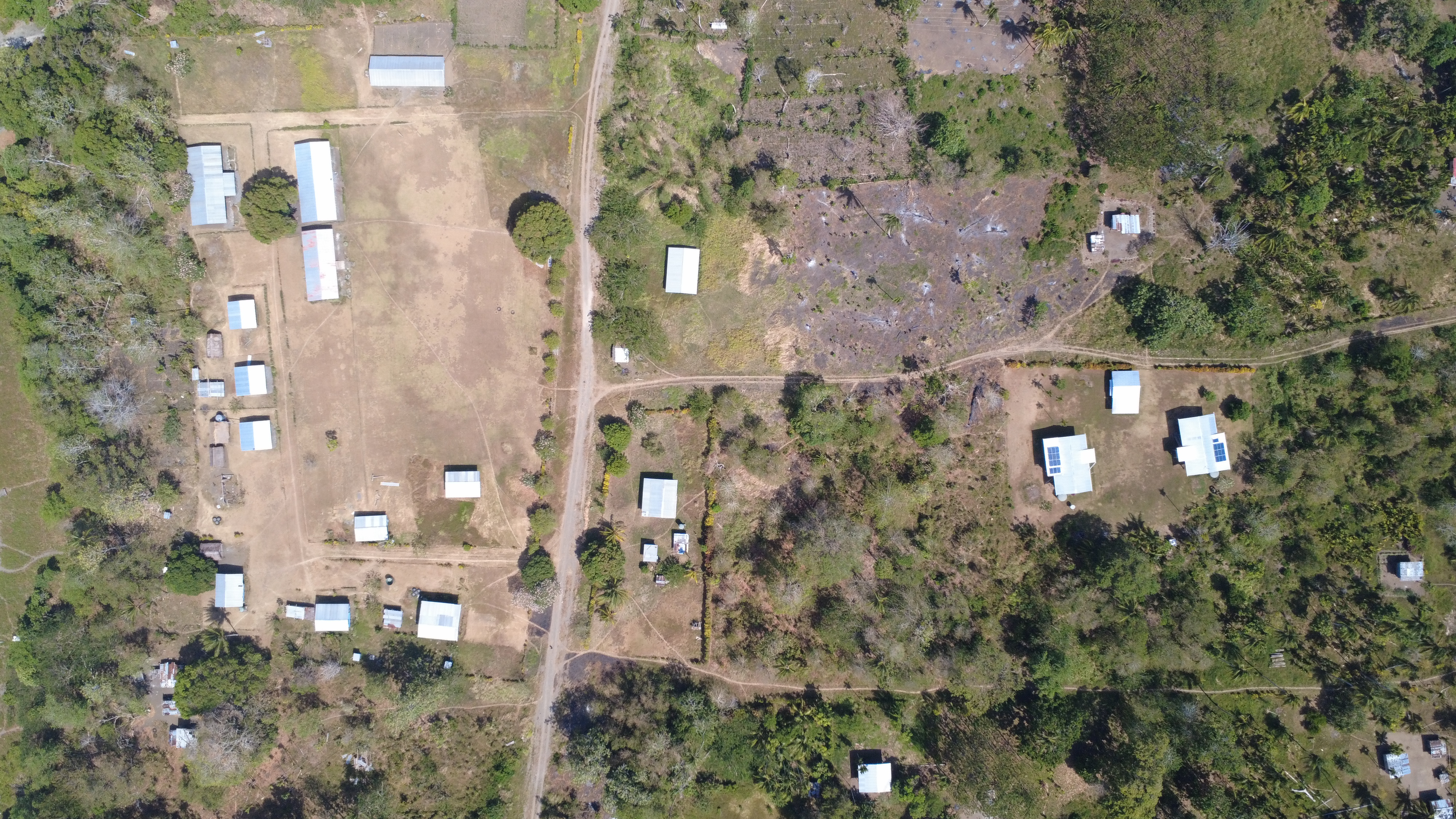
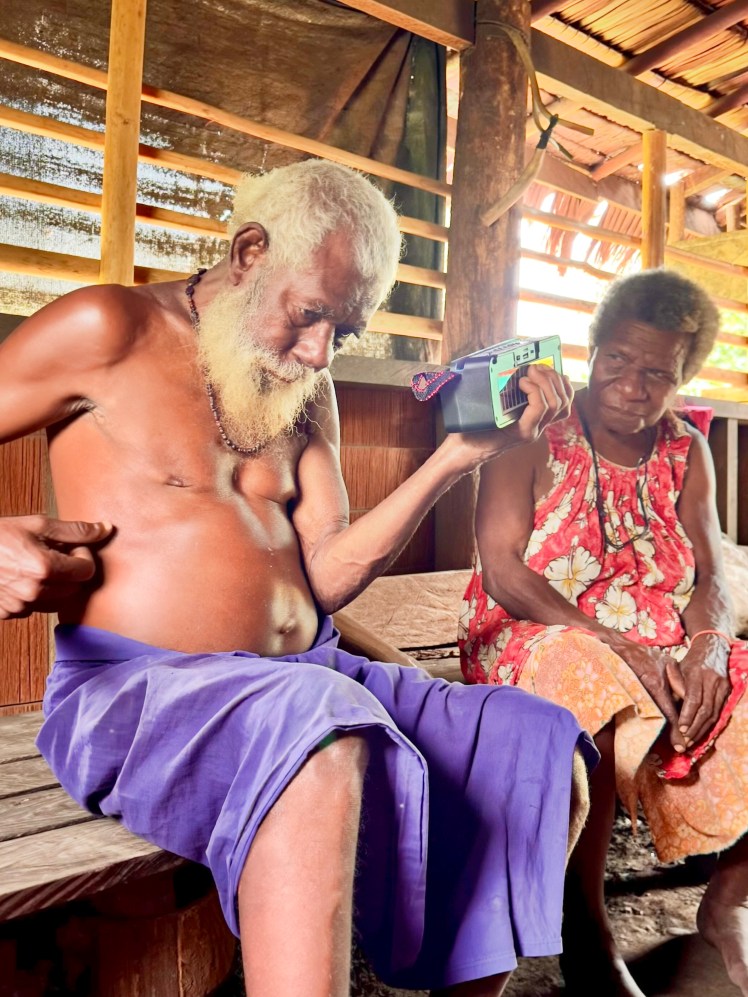
Here, food doesn’t arrive on a truck or sit on supermarket shelves. Everything has to be grown in large gardens up in the jungle or in the unpopulated areas at the edge of the community. When the gardens flourish, there’s enough to eat, enough to market and make money, and life carries on much as it always has. But when the rains don’t come, the effects ripple through the whole community. Up until now everyone has been in a bit of denial thinking that this is just going to be like all the other short, dry spells that have happened in the past. Now conversations increasingly revolve around stories of fires burning gardens (and a lot of the jungle), and everyday’s harvest now becoming a 50/50 chance that it’s there.
As we’ve been walking alongside friends through this season, we’ve been reminded that responding wisely isn’t as simple as buying food. In this culture, generosity carries weight. Relationships, expectations, and community responsibilities are woven together in ways that can be difficult to recognize and anticipate. Well-intentioned gifts can easily create problems, dependence, and weaken the very things that need to be strengthened in order to endure hard times like this.
Along with trying to find ways to appropriately provide food, we’re asking how this season might become an opportunity for the church to live out what it means to be the family of God. What would it look like for churches to become places where people pray together, share what they have, work side by side, care for the vulnerable, and remind one another that our hope is ultimately found in Jesus?
We don’t have very many answers yet, and we’re taking each step carefully. But it has been encouraging to see these conversations beginning. Even in a season marked by dry gardens and growing hunger, God continues to be at work, quietly shaping His people through opportunities to love, serve, and trust Him together.
As a church we want to keep growing in recognizing (and believing) that these hard seasons are filled with chances. Every little moment is a chance to see more clearly, remember and believe what is true, and live with God. Every moment is a chance to fully experience the kind of good life that is available with God’s Spirit. Like Paul says in 2 Corinthians 4:
Let’s not despair and give up. Even if our physical body is wearing away, our inner life is being renewed day by day. For our momentary, light suffering is producing for us an eternal weight of glory far beyond all comparison because we are not looking at what can be seen but at what cannot be seen. For what can be seen is temporary, but what cannot be seen is eternal.
‘Hard’ does not equal ‘bad’.
It’s a ‘chance’.
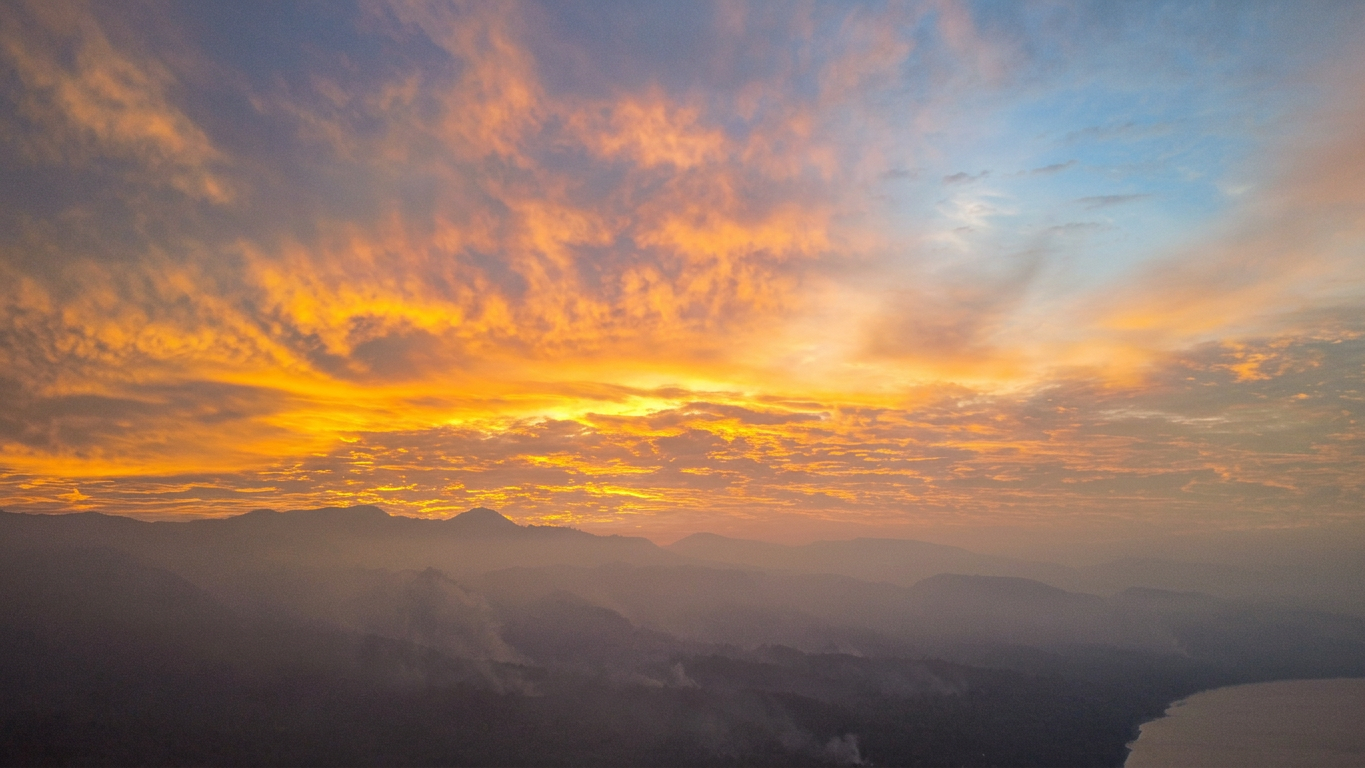
Keep Praying
Pray for rain and for wisdom as we walk with the church and community leaders. Every day is sprinkled with nuanced decisions as people come with needs / expectations of our family.
Pray for endurance and hope for families facing difficult days ahead.
Pray that these hard months would push us into deeper dependence on God … as well as into a more meaningful and sacrificial life together as a church.


[heart] Gary Smith reacted to your message: ________________________________
LikeLike
Hi Seth and Kaitlyn. I appreciate the insight and recognition of God’s work even in the hard times. Praying for you, your family, your community, and the stewardship of your resources..physical and spiritual. And also for a bit of rain🙏.
In Christ,
Ian (Bethel Baptist church-Parkersburg)
LikeLike